



-
Co-creative development
-
Precision at scale
-
European Production

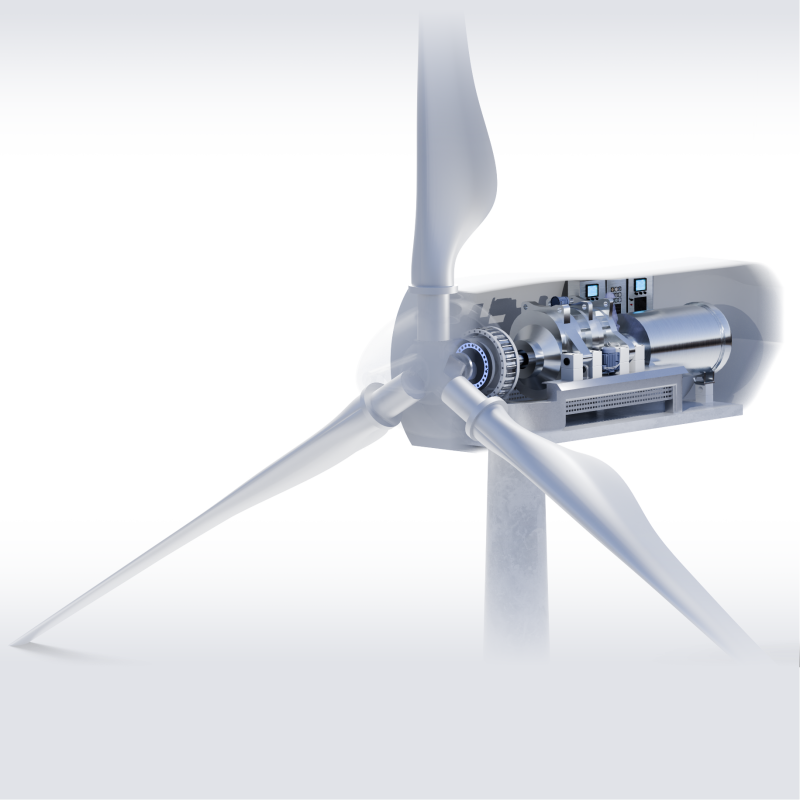
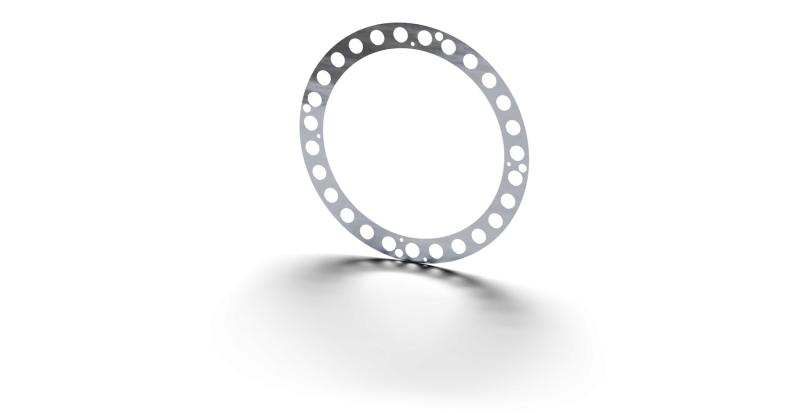
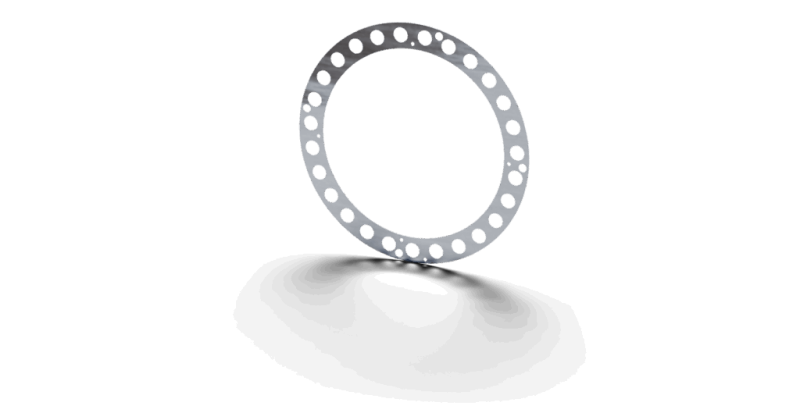
Friction Shims are precision‑engineered components designed to mechanically lock bolted flanges by significantly increasing friction at the contact interface. The shims integrate a hard, metal‑based friction layer that enhances torque transfer without increasing bolt size, joint weight or structural complexity.
Unlike conventional solutions that rely solely on preload or additional mechanical features, friction shims work at the interface itself. The result is a compact, lightweight and robust joint design that maintains stability under demanding operational conditions.
Friction shims are applied across a wide range of industries – from electric motors and robotic systems to heavy lifting equipment and wind turbines – wherever controlled friction and long‑term reliability are critical.
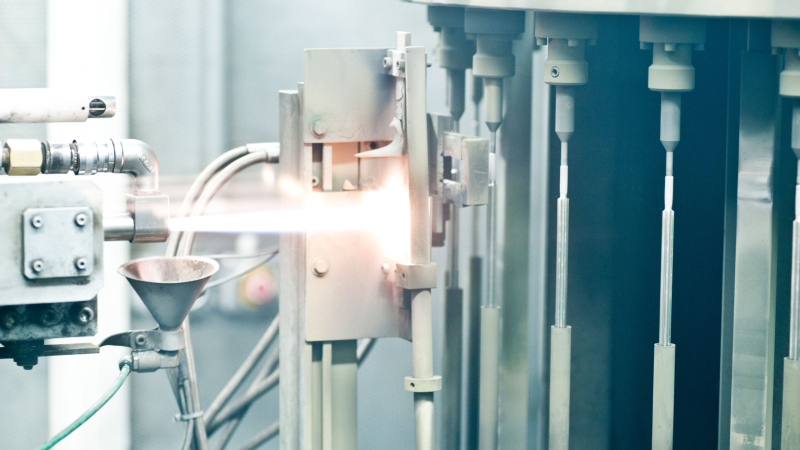
From Engineered Intent to Proven Performance
Designing a friction solution is only the first step. Understanding how it performs under real loads, real torque and real consequences is essential.
At Sintex, friction shims are validated using application‑relevant test setups that simulate actual operating conditions. This allows friction behaviour to be quantified, compared and documented early in the development phase.
Testing and validation enable:
By moving from assumptions to documented performance, engineers gain a stronger foundation for confident design decisions in safety‑critical applications.
Where Friction Shims Add Value
In many mechanical systems, friction is not something to eliminate, but something to control.
Friction shims enable stable and predictable interaction between components where movement, load and precision must work together. Typical application areas include:
Beyond these examples, friction shims are relevant wherever controlled friction and predictable mechanical behaviour are required. Common use cases include braking and damping systems, joint and interface control, vibration‑sensitive assemblies and precision movement mechanisms embedded in larger systems.
This is why friction shims are not always standard catalogue parts, but engineered solutions tailored to the specific application, materials and performance requirements.
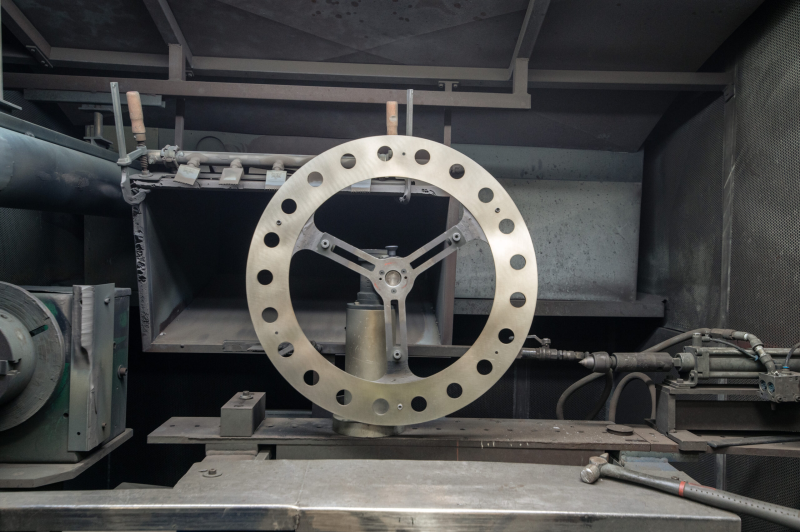
Application Insight: Strengthening Critical Friction Grip Joints
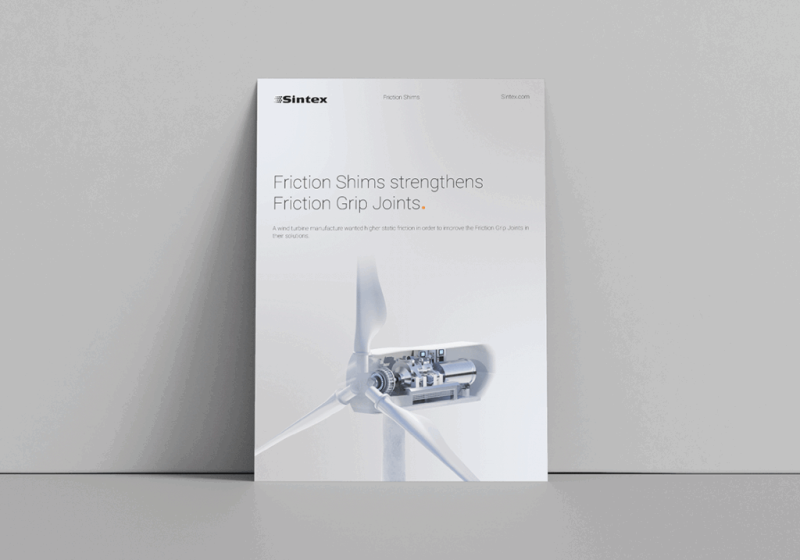
In one customer case, friction shims became a key enabler for strengthening friction grip joints and improving reliability in a demanding operating environment. Through close, application‑driven collaboration, a critical joint challenge was transformed into a robust and reliable solution.
The case demonstrated that:
By working side by side with customers, Sintex engineers friction solutions that perform not only in theory, but in real‑world conditions where failure is not an option.
Sustainability at Component Level
Sustainability in mechanical systems is often achieved through durability.
Friction Shims are engineered for long service life, stable performance and minimal maintenance in demanding environments. By reducing wear, damping unwanted vibrations and maintaining consistent friction behaviour over time, they help extend system lifetime and reduce the need for replacement parts, service interventions and material consumption.
This is sustainability at component level – achieved through deliberate engineering choices.
In parallel, Sintex’ own production is powered entirely by electricity generated from wind energy. This means that components designed to support reliable wind turbine operation are manufactured using the same renewable energy source, reinforcing a responsible and coherent approach to engineering and production.
Technical Reference and Design Data
For engineers working with torque transfer, bolted flanges and high‑performance mechanical systems, detailed technical insight is essential.
The Friction Shims datasheet provides a concise technical reference, including:
The datasheet supports informed design decisions and early evaluation of friction shims in demanding applications.
Engineering Friction with Purpose
Friction Shims demonstrate how a small component can have a substantial impact on system performance, reliability and sustainability.
By combining material expertise, application‑relevant testing and close customer collaboration, Sintex engineers friction solutions that enable safer, more reliable and more efficient mechanical systems.
Because progress in engineering often starts at the interface.
This site is protected by reCAPTCHA and the Google Privacy Policy and Terms of Service apply.
This site is protected by reCAPTCHA and the Google Privacy Policy and Terms of Service apply.
This site is protected by reCAPTCHA and the Google Privacy Policy and Terms of Service apply.
This site is protected by reCAPTCHA and the Google Privacy Policy and Terms of Service apply.
This site is protected by reCAPTCHA and the Google Privacy Policy and Terms of Service apply.